 Purdue University - Extension - Forestry and Natural Resources
Got Nature? Blog
 IN-PREPared: The American Society of Agricultural and Biological Engineers (ASABE) recently awarded the Purdue Rural Emergency Preparedness program (IN-PREPared) with The Blue Ribbon Award for their efforts to provide disaster and emergency resources and training to Indiana residents, especially through their specially created website.
Founded in 1907, ASABE is an educational and scientific organization dedicated to the advancement of engineering applicable to agricultural, food, and biological systems with members in more than 100 countries.
Shawn Ehlers, Assistant Clinical Professor of Agriculture and Biological Engineering and IN-PREPared Program Leader said many members of ASABE are involved with Extension outreach in their focus area.
“Part of ASABE’s Pillars of Practice involve ergonomics, safety and health, as well as education outreach and professional development,” Ehlers said.
“The Blue Ribbon Awards are the society’s way of acknowledging impactful contributions and this year, IN-PREPared was chosen to receive the honors for Extension Websites and its impact on the community,” he added.
Previous university efforts to serve Extension educators, rural communities, and first responders stemmed from three primary sources which included Purdue Agricultural Safety and Health Program (PUASHP), Purdue Extension, and the National Extension Disaster Education Network (EDEN) materials and training. Each entity produced and distributed valuable resources and training, but the separate efforts lacked cohesiveness.
“The IN-PREPared program and website provide a publicly accessible and unified home for appropriate resources, and also serves to enhance the visibility, awareness, and usage of programming and resources offered by state or federal government agencies and non-profit organizations dedicated to rural emergency preparedness and response through partnerships and resource sharing,” Ehlers explained.
Ehlers also said this new program, launched in August 2019, was prompted by the need to be instrumental in bringing relevant material together on emergency preparedness for their specific audience – a key he believes to the successes of the IN-PREPared program.
“The past several months have demonstrated how our society can adapt to a situation to meet the needs of communities across the state and nation, because making informed decisions is at the heart of preparing for unexpected or emerging circumstances,” he said.
IN-PREPared has categorized content to be conveniently accessed by users with topics that include weather events, disease prevention (a COVID-19 specific resource page), rural specific hazard response, and links to online trainings, and PREP-Notes which are used by Extension Educators, teachers, and volunteers to craft news releases and share information on multiple platforms.
Other cohorts in this award-winning effort include former extension educator and staff member at the Indiana State Department of Agriculture Ed Sheldon, who assisted in the overall resource development and website management. Sheldon also works with the National AgrAbility Project, the Ag Vets program, and IN-PREPared.
Bill Field, Professor of Agricultural and Biological Engineering, leader of the Purdue Ag Safety and Health Program, and Project Director for the National AgrAbility Project, and served as the co-developer and instructor of three Homeland/Agrosecurity graduate level courses at Purdue.
“Above all else, IN-PREPared is focused on collaborating with experts in our federal and state agencies, as well as universities and non-profits so we can bring collective knowledge to our rural Hoosiers so they can be “PREPared” for the unexpected—not possible without the reach of the Extension system in all 92 Indiana counties,” Ehlers emphasized.
Resources
Community Planning for Agriculture and Natural Resources: A Guide for Local Government, The Education Store, Purdue Extension resource center
Trees and Storms, The Education Store
Indiana Impacts & Resources, Purdue Climate Change Research Center
Climate Change: Communication strategies to support local planning, The Education Store
Receive tips and tricks about establishing native grasses and forbs for wildlife. Don’t miss the question and answer time with our Purdue Extension Wildlife experts.
If you have any questions regarding wildlife, or other natural resource topics, feel free to contact us by using our Ask an Expert web page.
Resources
Natural Resources Conservation Service Indiana
Pheasant Forever
Quail Forever
Pure Live Seed: Calculations and Considerations for Wildlife Food Plots, Purdue Extension – Forestry and Natural Resources
Seed Fillers and Carriers for Planting Native Warm-season Grasses and Forbs, Purdue Extension – Forestry and Natural Resources
Calibrating a No-Till Drill for Conservation Plantings and Wildlife Food Plots, Purdue Extension
Purdue Extension – Forestry and Natural Resources Youtube channel
Jarred Brooke, Extension Wildlife Specialist
Purdue Department of Forestry and Natural Resources
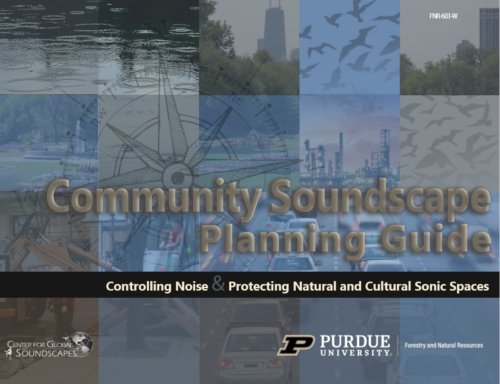 This Community Soundscape Planning Guide is to be used by communities in the United States and other places, to focus land use planning within the context of the sonic spaces of built and natural areas locally.
This guide focuses on:
– Learning the Basics: helping planners understand what a soundscape is and what is noise
– Impacts of Noise on People and Wildlife: summarizes what is known about how sound affects people and wildlife
– Soundscape Workbook: allowing individual planners or community groups to work through major issues related to natural and cultural soundscapes and the occurrence of noise in their community
– Planning Tools and Resources: which describes tools already in existence and new tools such as an app and online mapping system developed at Purdue University.
This planning guide is also associated with several Purdue Extension projects that are underway and which can be offered to communities.
Resources
Center for Global Soundscapes, Purdue University
Record the Earth, APP
Your Ecosystem Listening Labs (YELLS): The Science of Soundscape Ecology Instructor’s Guide, Grades 5-8, The Education Store, Purdue Extension resource center
Bryan Pijanowski, Professor of Landscape and Soundscape Ecology
Purdue University Department of Forestry and Natural Resources
Kara Salazar, Assistant Program Leader and Extension Specialist for Sustainable Communities
Purdue University Department of Forestry and Natural Resources
Dan Walker, Community Planning Extension Specialist
Purdue University Department of Forestry and Natural Resources
Join Mike Saunders and Charlotte Owings of the Hardwood Ecosystem Experiment as they share about the 100-year old project that aims to study and regenerate the oak-hickory population in Indiana and beyond.
Resources
Hardwood Ecosystem Experiment (HEE), Playlist, Purdue Extension – Forestry and Natural Resources Youtube Channel
Ask The Expert, Purdue Extension-FNR YouTube Channel-Playlist
Hardwood Ecosystem Experiment, Website
The Hardwood Ecosystem Experiment: 2006-2016, The Education Store, Purdue Extension resource center
Hardwood Ecosystem Experiment – Wildlife Responses to Timber Harvesting, Purdue Extension
Hardwood Ecosystem Experiment – Sustaining Our Oak-Hickory Forests, Purdue Extension
The Hardwood Ecosystem Experiment: Indiana Forestry and Wildlife, The Education Store
Mike Saunders, Associate Professor of Ecology and Natural Resources
Purdue University Department of Forestry and Natural Resources
Charlotte Owings, Hardwood Ecosystem Experiment Project Coordinator
Purdue University Department of Forestry and Natural Resources
Welcome to the Nature of Teaching Professional Development Webinar Series: Ecotoxicology Part 1. This webinar shared by Rod Williams, a professor and extension wildlife specialist with Purdue University Extension, and Jason Hoverman, an associate professor at Purdue University and a co-author on the unit on ecotoxicology, discusses the principles of ecotoxicology, contaminants, and threats to the freshwater ecosystems.
This webinar shares the resources teachers, and K-12 leaders, need to teach students about ecotoxicology. This state standard curriculum includes free downloads of posters, photos, charts, data sheets, and fun activities along with the opportunity to receive a Certificate of Completion.
Resources
The Nature of Teaching: Ecotoxicology and Environmental Health, The Education Store, Purdue Extension’s resource center
Benefits of Connecting with Nature, The Education Store
The Nature of Teaching: Disease Ecology, The Education Store
Resourceful Animal Relationships, The Education Store
The Nature of Teaching, YouTube Channel
Nature of Teaching, Website
Rod Williams, Professor of Wildlife Science
Purdue University Department of Forestry and Natural Resources
Jason Hoverman, Associate Professor Vertebrate Ecology
Purdue University Department of Forestry and Natural Resources
Do you need to open up your woodlands in order to grow new species of trees/shrubs that need extra sunlight or to make for a better wildlife habitat? Forest openings allows us to regenerate species of trees and shrubs that demand full sunlight and also ensures good diversity of species on your property. In this Woodland Management Moment video, Purdue Extension forester Lenny Farlee talks about creating forest openings.
If you have any questions regarding trees, forests, wildlife, wood products or other natural resource topics, feel free to contact us by using our Ask an Expert web page.
Resources
Woodland Management Moment – Deer Fencing, Video, Purdue Extension – Forestry and Natural Resources Youtube Channel
Asian Bush Honeysuckle, Video, Purdue Extension Youtube Channel
Forest Improvement Handbook, The Education Store, Purdue Extension Resource Center
Woodland Stewardship for Landowners, invasive species along with timber resources, Purdue Extension-FNR YouTube Playlist
Managing Your Woods for White-Tailed Deer, The Education Store
Lenny Farlee, Sustaining Hardwood Extension Specialist
Purdue University Department of Forestry and Natural Resources
Purdue Forestry & Natural Resources extension specialists gathered for a Facebook LIVE event held May 5th to answer questions on a wide range of topics from woodland management to wildlife habitat, ponds to invasive species and more.
Topics ranged from what to do about moles, voles and Canada geese causing damage in your yard, to how to pick the right tree for your landscape and how to measure the worth of your trees. The presentation also included segments on what to do about algae in your pond to how to know if you need to restock it as well as what to do about invasive plant species and how to protect your trees from deer damage.
Get advice from extension specialists Jarred Brooke, Lenny Farlee, Brian MacGowan, Lindsey Purcell, Rod Williams and Mitch Zischke in the video below.
If you have any further questions feel free to send your questions by submitting our Ask An Expert form.
Resources mentioned:
Purdue Extension – The Education Store
Purdue Report Invasive Species Website
Midwest Invasive Species Network Database
TreesAreGood.org
Find a Forester in Indiana
Improve My Property for Wildlife, Purdue Extension
Online Mole Program, Event May 14th, Purdue FNR Extension
Have you seen a hairless squirrel, Got Nature? Blog, Purdue FNR Extension
Stocking Fish, The Education Store, Purdue Extension Resource Center
Tree Selection for the “Un-natural” Environment, The Education Store
Selecting a Nuisance Control Operator, The Education Store
Forest Products Price Report (pdf), Indiana Department of Natural Resources (IDNR)
Indiana DNR Nuisance Goose Control Options (pdf), Indiana Department of Natural Resources (IDNR)
Turtles of Indiana, The Education Store
Salamanders of Indiana, The Education Store
Frogs and Toads of Indiana, The Education Store
Snakes and Lizards of Indiana, The Education Store
Aquatic Plant Management, The Education Store
Native Grasses, The Education Store
Preventing Deer Browsing on Trees/Shrubs, Video, Purdue Extension Youtube Channel
Brian MacGowan, Wildlife Extension Specialist
Purdue University, Department of Forestry and Natural Resources
Our recent cold mornings resulted in late freeze damage to many trees and shrubs. This damage to newly emerging shoots and leaves follows a few hours of temperatures below the freezing mark. Damage is usually characterized by wilting browning of new growth, particularly leaves and needles. It may take a few days, or until temperatures begin warming again, for damage to become evident.
The photos below reveal some late freeze damage in southern Indiana, shared by a concerned tree owner. It is often dramatic and can cause concern for homeowners and landscapers. Fortunately, the damage is largely aesthetic, and plants will quickly resume growth.
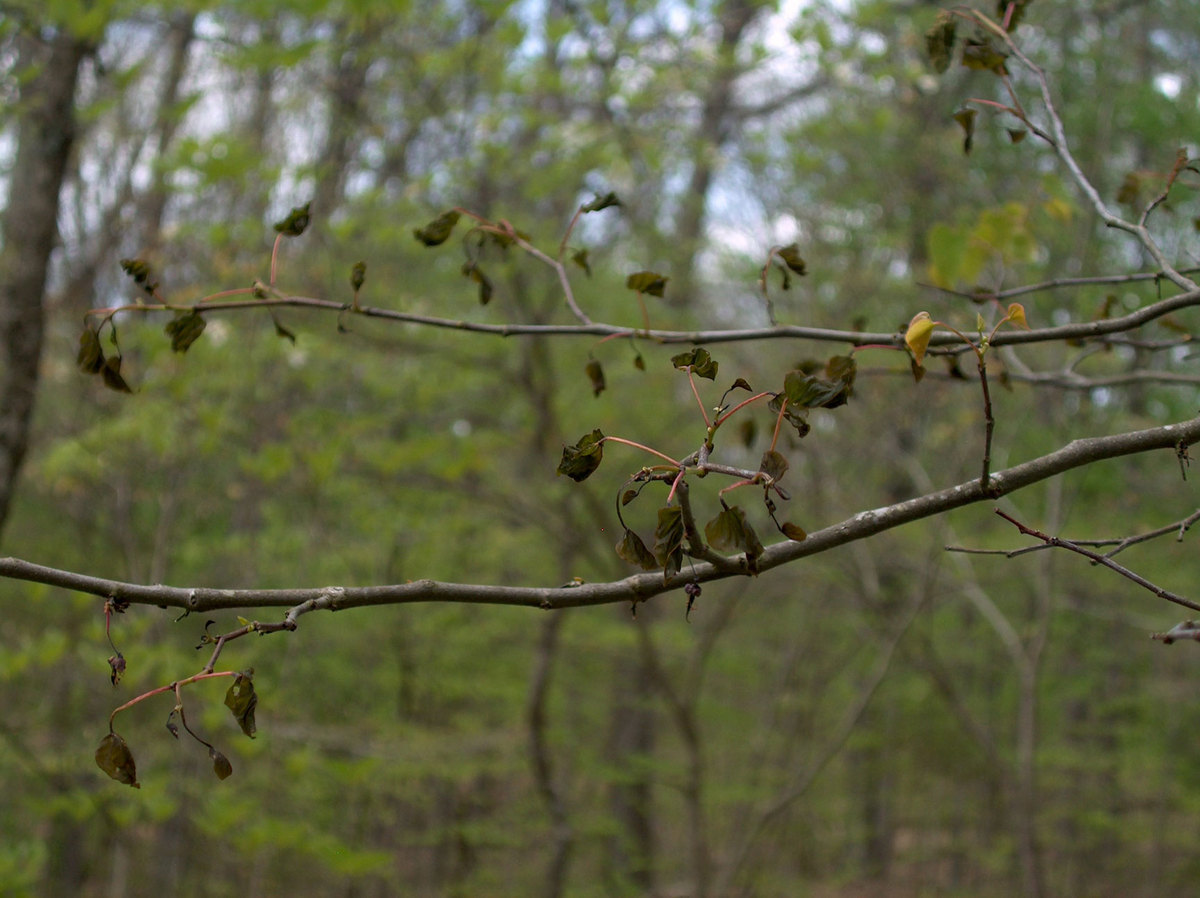
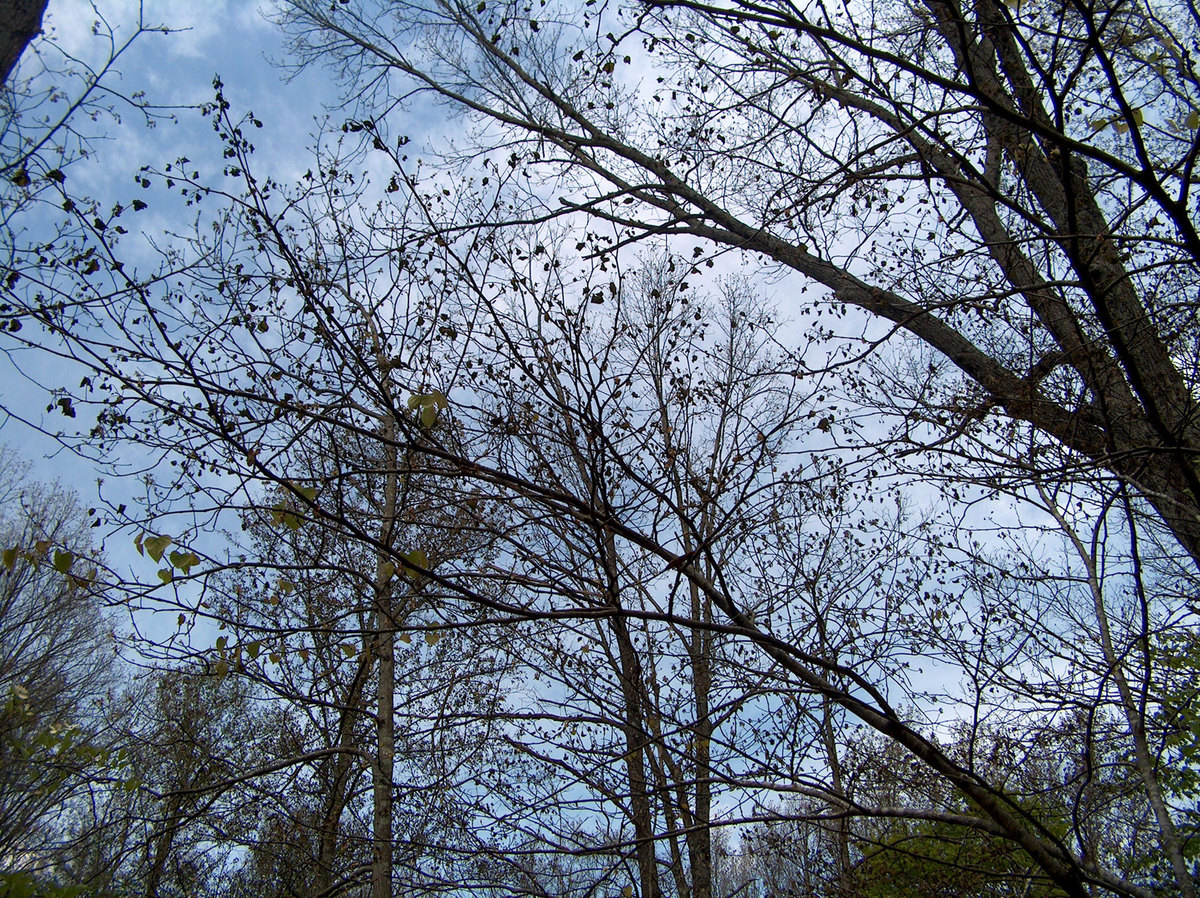
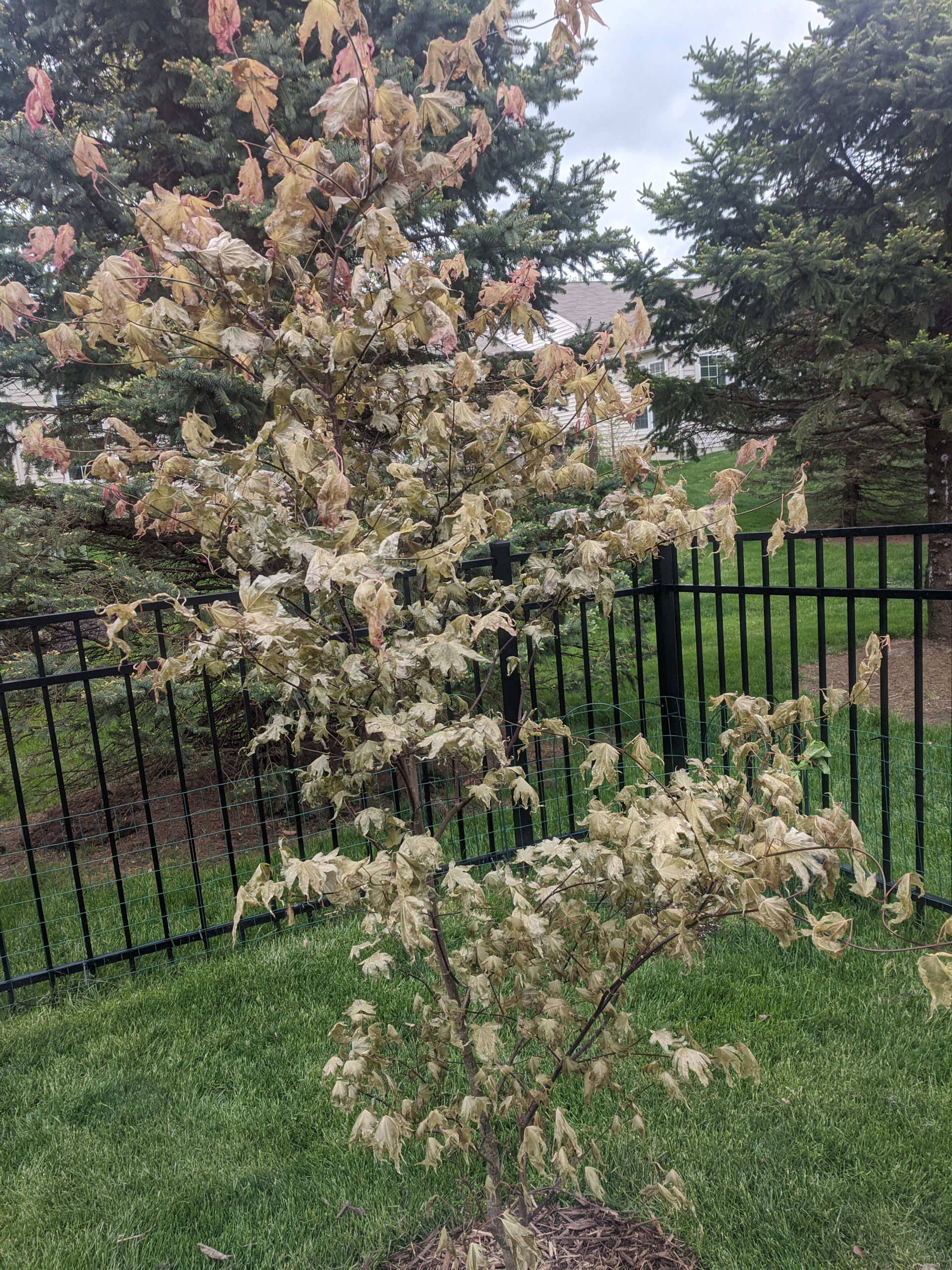
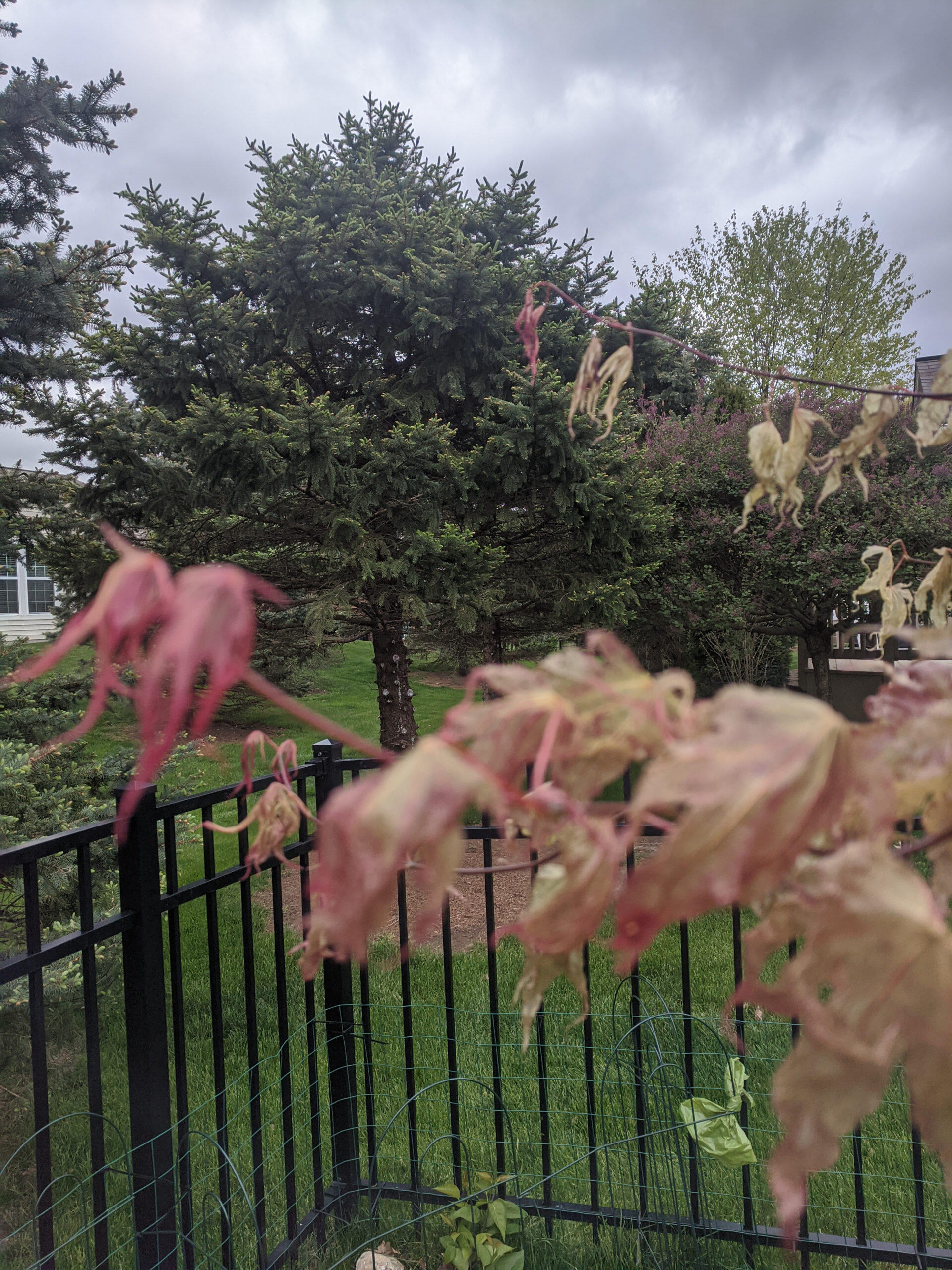
What can you expect? Typically, the damaged or dead leaves will fall and new leaves will emerge, although somewhat slowly. A reduction in growth and leaf size can be anticipated as well. Just remain calm and wait for the tree to recover. If the tree was vigorous going into winter and had a good store of carbohydrates, it can withstand an environmental hit such as these cold extremes.
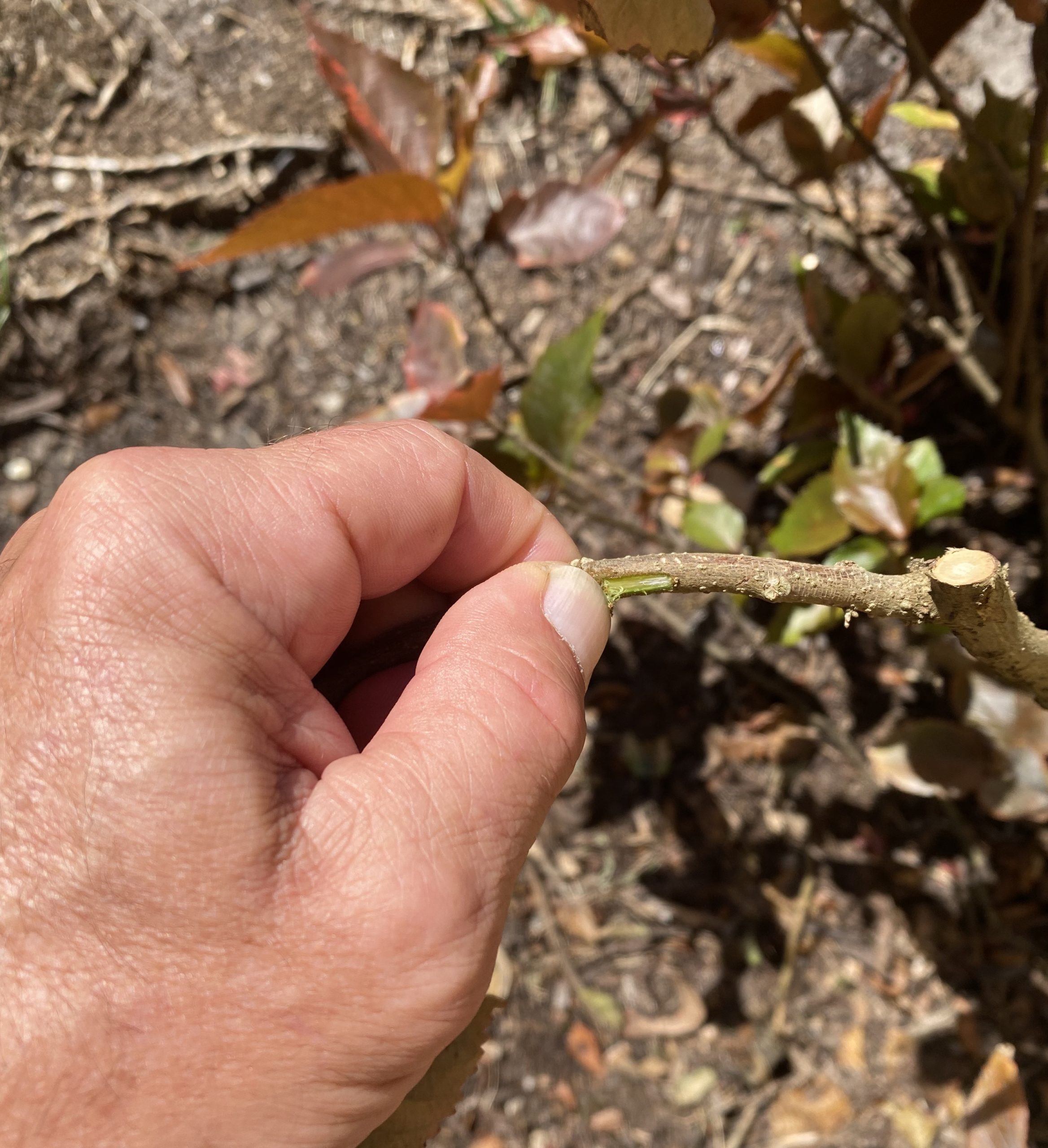 If branches or stems don’t show any evidence of bud or leaf emergence, lightly scratch the bark with your thumbnail. If the green cambial layer is revealed, the tree is likely just slowly emerging from dormancy. If there is no green tissue evident, it is likely dead. Prune out the dead branches to a living later branch and assess the plant.
Resources
Question: What are these pretty green flower shaped growth spots? Will they damage the tree?, Got Nature? Post, Purdue FNR Extension
Iron Chlorosis of Trees and Shrubs, The Education Store, Purdue Extension resource center
Tree Diseases: Oak Wilt in Indiana, The Education Store
Tree Diseases: White Pine Decline in Indiana, The Education Store
Mechanical Damage to Trees: Mowing and Maintenance Equipment, The Education Store
Surface Root Syndrome, The Education Store
Tree Appraisal and the Value of Trees, The Education Store
Lindsey Purcell, Urban Forestry Specialist
Purdue University, Department of Forestry and Natural Resources
For such a small creature, moles can cause big headaches. Their tunneling behavior can cause extensive damage to turf areas if left unchecked. While the damage is easy to identify, solving it can be tricky.

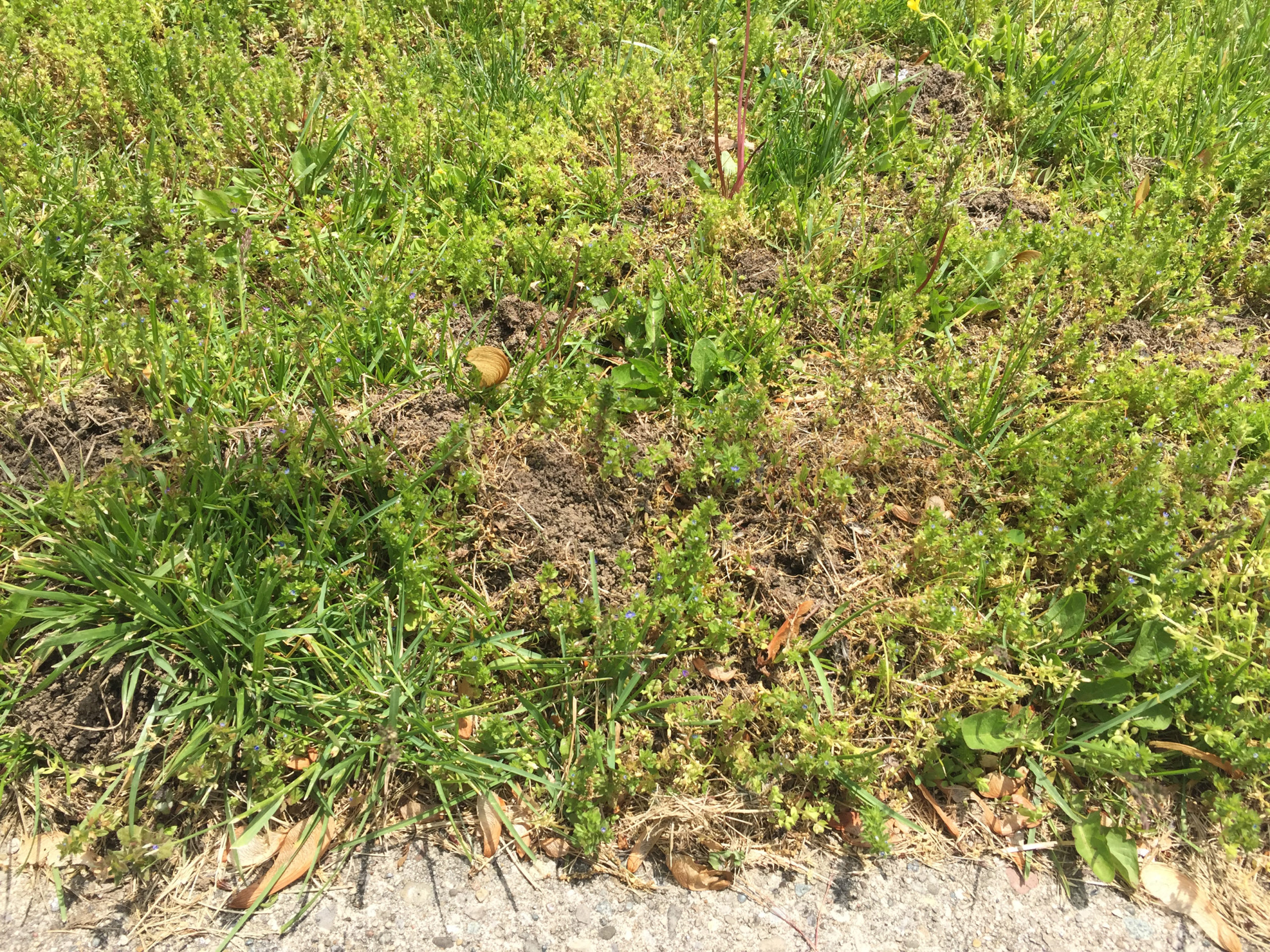
Purdue wildlife specialist, Brian MacGowan, shared tips and control techniques including trapping, repellents, toxicants, and cultural methods as well as answer your questions on the topic on Facebook LIVE, Thursday, May 14th.
You can view this topic along with question and answer time on the Purdue FNR Facebook page: https://www.facebook.com/PurdueFNR/videos/3372718849422210/.
If you have any further questions feel free to place your question in the comment section on our Purdue FNR Facebook page on the video link above or you can send your question by submitting an Ask An Expert form.
Resources
Moles, The Education Store, Purdue Extension resource center
Adjuvants and the Power of the Spray Droplet: Improving the Performance of Pesticide Applications, The Education Store
Preventing Wildlife Damage – Do You Need a Permit?, The Education Store
Attract Hummingbirds to Your Yard, Video, Purdue Extension Youtube Channel
How to Stop Woodland Animals from Digging in Your Flower Pots, Video, Purdue Extension Youtube Channel
Brian MacGowan, Wildlife Extension Specialist
Purdue Forestry and Natural Resources
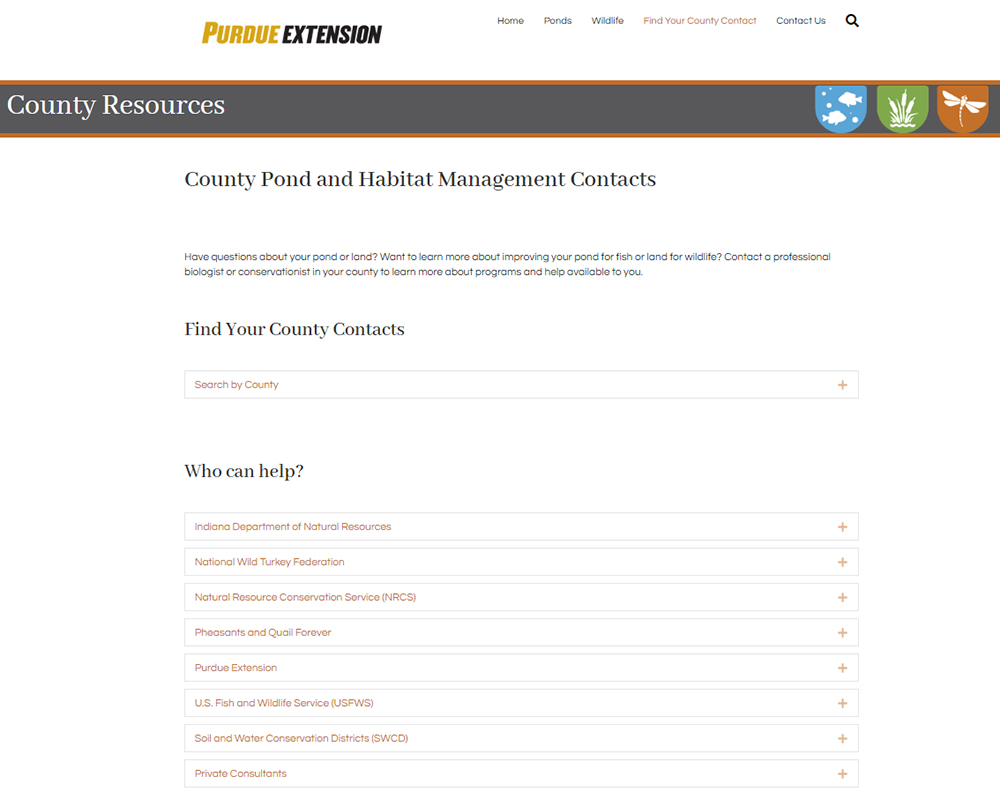 The Purdue Extension Pond and Wildlife Management website has been updated with a contact search function to better help you find the right professional biologist or conservationist in your county to serve your needs.
The newly created County and Habitat Management Contacts page allows individuals to search for experts within their county by simply selecting it from a dropdown menu. Within each individual county is a listing of Indiana Department of Natural Resources contacts, extension specialists and more.
In addition, the contacts page lists various agencies and services that can also help with questions about pond or habitat management. These resources include the Indiana DNR, the National Wild Turkey Federation, the Natural Resources Conservation Service (NRCS), Pheasants and Quail Forever, Purdue Extension, the U.S. Fish and Wildlife Service (USFWS), the Soil and Water Conservation Districts and event private consultants.
As fishing, hunting and other wildlife recreation continues to be popular in Indiana, Purdue Extension has developed this new program to help Indiana landowners manage their ponds and wildlife.
Along with the search features to help you find professional contacts, you will also find these topics and resources on the website:
- The Pond Ecosystem
- Fish Population Management
- Pond Construction and Maintenance
- Aquatic Vegetation Management
- Evaluating Your Property
- Forest Management
- Grassland Management
- Habitat Management Planning
To better understand and manage pond ecosystems in Indiana for fishing and wildlife habitat this website provides detailed information to help you reach your goals.
Resources:
Salmon and Trout of the Great Lakes: A Visual Identification Guide, The Education Store, Purdue Extension Resource Center
Pond Management: Stocking Fish in Indiana Ponds, The Education Store
The Nature of Teaching: Adaptations for Aquatic Amphibians, The Education Store
Illinois & Indiana Sea Grant, using research, outreach, and education to bring the latest science to communities and their residents
How to Score Your White-tailed Deer, Video, The Education Store
How to Build a Plastic Mesh Deer Exclusion Fence, The Education Store
Assessing Your Land’s Potential for Wildlife, The Education Store
Jarred Brooke, Extension Wildlife Specialist
Purdue Department of Forestry and Natural Resources

Recent Posts
- Kara Salazar and Team Win National Runner-up for Innovation & Creativity Award
Posted: September 29, 2025 in Community Development, Land Use, Natural Resource Planning - Hardwood Tree Improvement Regeneration Center (HTIRC) Shares Fall Newsletter, Research and Outreach
Posted: December 13, 2024 in Forestry, Land Use, Natural Resource Planning, Woodlands - Purdue Extension’s Showcase, Impacting Indiana
Posted: November 8, 2024 in Community Development, Forestry, Forests and Street Trees, Gardening, Land Use, Natural Resource Planning, Timber Marketing, Urban Forestry, Wildlife, Wood Products/Manufacturing, Woodlands - Natural Resources Commission Updates – Wild Bulletin
Posted: March 4, 2024 in Forestry, How To, Land Use, Natural Resource Planning, Plants, Wildlife, Woodlands - IAA Receives $250,000 Grant for Arborist Apprenticeship
Posted: February 21, 2024 in Forestry, Forests and Street Trees, Natural Resource Planning, Urban Forestry, Wildlife, Woodlands - Build a Better Habitat for Wildlife This Winter – Wild Bulletin
Posted: February 1, 2024 in Forestry, How To, Land Use, Natural Resource Planning, Plants, Wildlife, Woodlands - Cost Assistance for Landowners Planning Conservation Practices
Posted: October 13, 2023 in Forestry, Invasive Plant Species, Natural Resource Planning, Woodlands - MyDNR: New multi-agency research partnership to benefit Indiana’s wildlife and wild places
Posted: September 7, 2023 in Aquaculture/Fish, Aquatic/Aquaculture Resources, Forestry, Natural Resource Planning, Plants, Wildlife, Woodlands - Purdue Extension to Connect Underserved Communities with Funding for Energy and Environmental Improvements
Posted: June 6, 2023 in Community Development, How To, Natural Resource Planning - Question: what resources do you have on wind energy, contracts?
Posted: April 11, 2023 in How To, Land Use, Natural Resource Planning
Archives
Categories
- Alert
- Aquaculture/Fish
- Aquatic/Aquaculture Resources
- Ask the Expert
- Christmas Trees
- Community Development
- Disease
- Drought
- Forestry
- Forests and Street Trees
- Gardening
- Got Nature for Kids
- Great Lakes
- How To
- Invasive Animal Species
- Invasive Insects
- Invasive Plant Species
- Land Use
- Natural Resource Planning
- Nature of Teaching
- Plants
- Podcasts
- Ponds
- Publication
- Safety
- Spiders
- Timber Marketing
- Uncategorized
- Urban Forestry
- Webinar
- Wildlife
- Wood Products/Manufacturing
- Woodland Management Moment
- Woodlands