Kazemian presents ‘Drug Discovery: From In Silico Insights to In Vivo Validation’ at Westwood Lecture Series

Exterior of Westwood building.
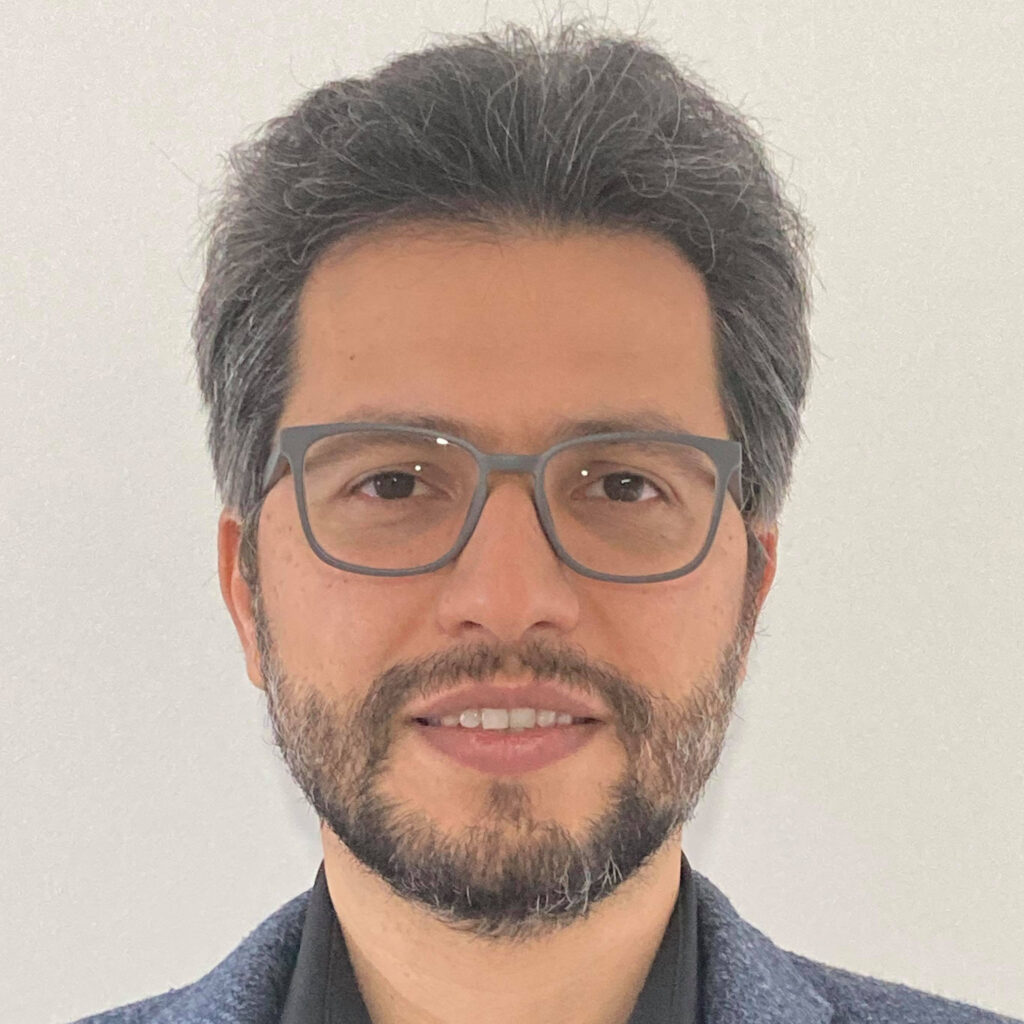
Majid Kazemian, associate professor of biochemistry in the College of Agriculture and computer science in the College of Science, presented “Drug Discovery: From In Silico Insights to In Vivo Validation” at the Westwood Lecture Series on April 8.
Abstract. Why do some people survive cancer longer than others? Understanding the biological mechanisms that influence survival can help improve treatments and patient outcomes. To uncover these mechanisms, Kazemian and his research team reanalyzed decades of publicly available data using new computational techniques, which led to the identification of patterns that better explain differences in survival. Notably, some of these patterns can be influenced by existing drugs, offering a potential strategy to improve patient outcomes.
Bio. Majid Kazemian is an associate professor of biochemistry in the College of Agriculture and computer science in the College of Science. He co-leads the Cell Identity and Signaling program at the Purdue Institute for Cancer Research.
Kazemian’s research combines advanced computational and experimental approaches to study gene regulation, infectious diseases and cancer biology, with notable contributions to understanding virus-associated cancers, regulatory RNAs and immune responses in cancer and autoimmunity. A dedicated mentor, Kazemian has guided over 50 students and fosters interdisciplinary collaboration. He has received recognition from the National Institutes of Health (NIH), including the National Institute of General Medical Sciences’ Maximizing Investigators’ Research Award and the National Heart, Lung and Blood Institute’s Orloff Science Award. He has authored several high-impact publications, advancing science through innovation and mentorship.
Kazemian earned his PhD in computer science from the University of Illinois at Urbana-Champaign in 2012 and completed postdoctoral training at the NIH with a focus on immunology and genomics.