Working for better tourism in the Colca Valley
September 2, 2025
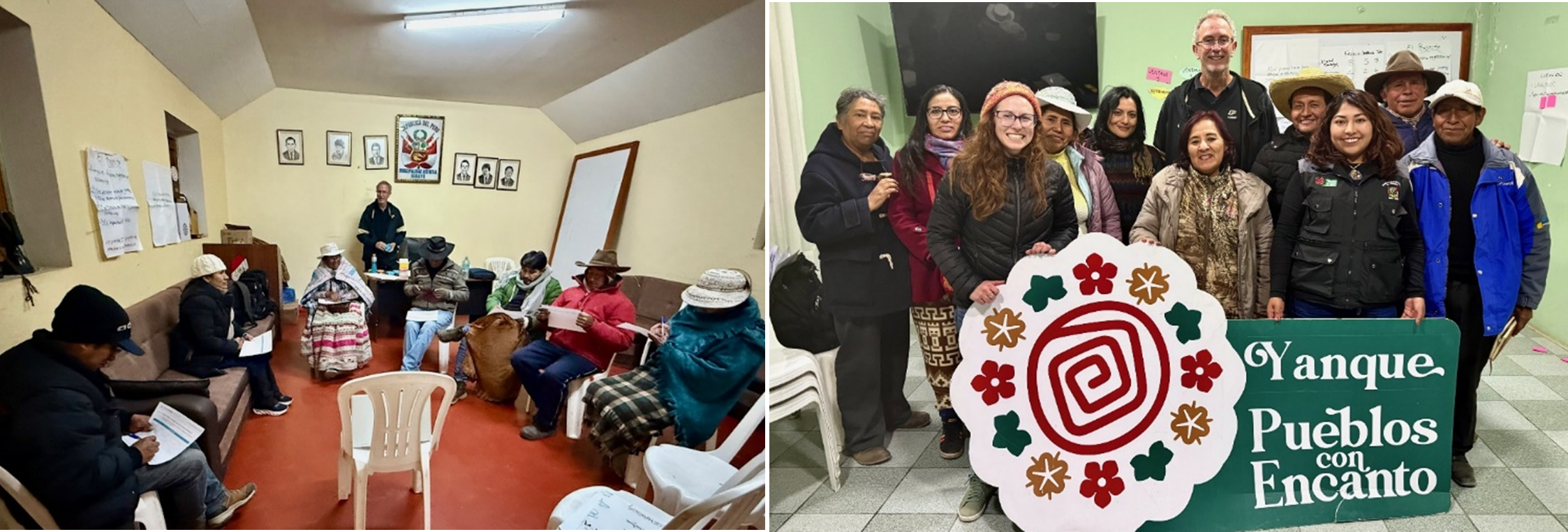
Building the foundations for sustainable and regenerative tourism requires collaboration and commitment from many stakeholders in a community. The Nexus project ‘Sustainable development through regenerative tourism: a pilot program on the Colca Valley high route’ (in short ‘Tourism’ project) is committed to collaborating with tourism operators in each of the three studied districts (Sibayo, Yanque y Madrigal) to address the highest-priority projects.
Working together on mutually agreed goals is critical. The ‘tourism’ team employs participatory action research (PAR) approaches to project identification, ensuring that local concerns are heard and acted upon. Embedded in the PAR are elements of the Strategic Doing approach to collaboration and development. Strategic Doing was pioneered at Purdue and has been used worldwide to support collaborative project development, like the tourism projects in each destination. Through this PAR/Strategic Doing process, tourism industry members work with the Nexus team to identify possible activities and prioritize the work to be undertaken.
At the end of May, the ‘tourism’ team held meetings in each district to identify high-impact projects that could be collaboratively completed during the initiative. The selected projects reflect the unique character of each destination community. These include developing a digital marketing strategy for Yanque, providing sales and distribution support for Sibayo, and enhancing heritage resources in Madrigal.
Contact Details
- Rosa Cossio
- rcossio@purdue.edu
- 765-494-0721