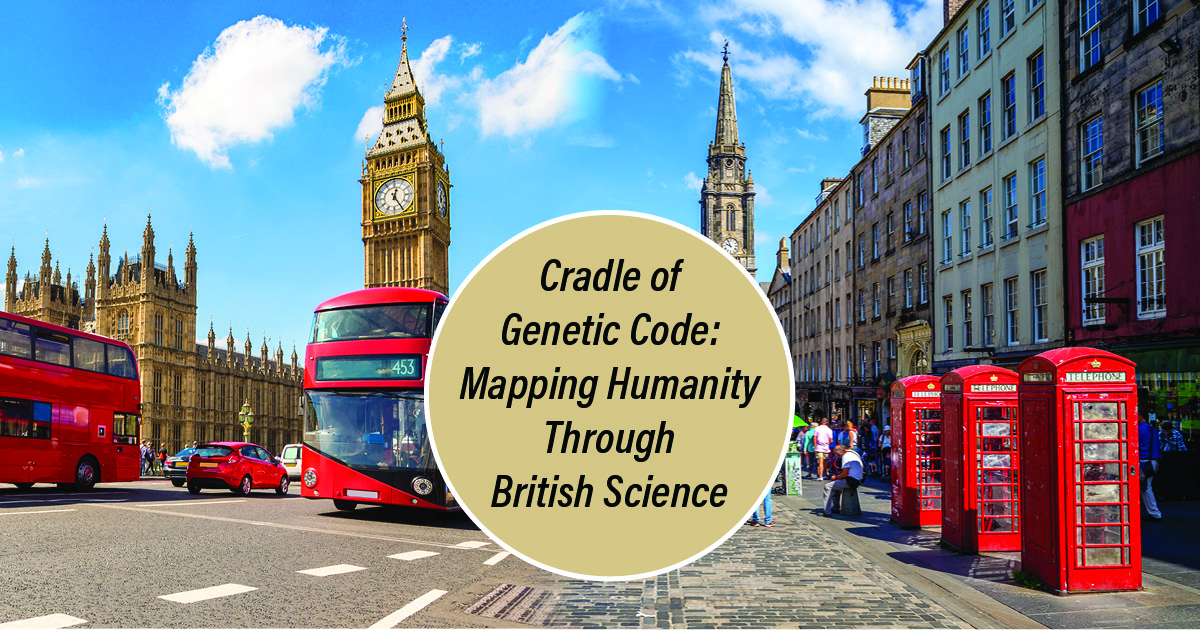
Cradle of Genetic Code: Mapping Humanity Through British Science
Dates of Program: (Travel Day May 10) May 17-May 30, 2027
Estimated costs: $6,335.58 (airfare and most meals are not included)Broad curricular/learning goals
This study abroad program is designed to explore the intersection of genetics, culture, ethics, and public policy in a global context. London and Scotland offer uniquely rich educational environments for this program due to their historical and contemporary contributions to genetics and biology research.
London is home to world-renowned institutions such as the Wellcome Trust, the Francis Crick Institute, and the Science Museum, which provide students with access to cutting-edge research, exhibitions, and expert-led discussions on genetics and society. Scotland, with its deep-rooted history in medical education and its stance on bioethics and healthcare policy, offers a complementary perspective. Visits to institutions like the University of Edinburgh will allow students to engage directly with landmark achievements in genetic science.
The location will significantly enhance the educational experience by immersing students in environments where science and society intersect in meaningful ways. Students will gain firsthand exposure to how different cultures approach genetic research, healthcare access, and ethical debates surrounding biotechnology. This global perspective is essential for developing critical thinking, cultural competence, and informed citizenship in the field of genetics.
Learning Outcome Goals
- Analyze the role of genetics in shaping societal norms, policies, and ethical frameworks.
- Compare and contrast international approaches to genetic research and public engagement.
- Develop interdisciplinary perspectives by integrating scientific knowledge with cultural, historical, and ethical contexts.
- Enhance communication and collaboration skills through experiential learning and cross-cultural engagement.
Itinerary highlights
We will visit London, Cambridge, and Edinburgh, UK
London
- Westminster Abbey Guided Tour. Explore over a thousand years of British history on a guided tour of Westminster Abbey, the iconic site of royal coronations, weddings, and burials. Students will gain insight into the Abbey's architectural splendor and its role in shaping British cultural and political life. Highlights include famous British scientists' markers and graves like Charles Darwin and Sir Isaac Newton.
- British Museum. Discover world civilizations through the British Museum's vast collection of artifacts, including the Rosetta Stone and the Elgin Marbles. This self-guided visit encourages students to engage with global history, art, and archaeology.
- Expert Genetics Panel. Discover how genetics is transforming science and medicine in this lively panel with three top researchers from London. This session offers fresh insights into real-world applications and career paths in genetics.
- Visit to the Wellcome Collection. Dive into the intersection of science, medicine, and art at the Wellcome Collection. This visit offers a thought-provoking look at how health and human experience are explored through exhibitions and contemporary perspectives. We will also try to have research time with actual artifacts.
- Visit to the Crick - Tour or Lecture. Gain a behind-the-scenes look at cutting-edge biomedical research at the Francis Crick Institute. Whether through a guided tour or an expert-led lecture, students will learn about the latest scientific discoveries and the collaborative nature of modern science.
- London Science Museum. Engage with interactive exhibits and historical innovations at the London Science Museum. With a focus on medical and genetic breakthroughs, this visit highlights the impact of science (including the structure of DNA) and medical technology on society.
- Cambridge Day Trip. Spend the day exploring the historic and academic charm of Cambridge. Begin with a relaxing Scudamore's punting tour along the River Cam (just like Rosalind Franklin competing against James Watson and Francis Crick), offering scenic views of the university's iconic colleges and bridges. Dive into natural history and biodiversity at the Museum of Zoology, home to fascinating specimens from across the animal kingdom including collections from Charles Darwin. At the Cambridge Biomedical Campus, visit the Cambridge Medical Hub to learn about groundbreaking research and innovation in health sciences. Enjoy a guided walk through the town, soaking in the collegiate atmosphere, and stop by The Eagle, the legendary pub where the discovery of DNA was first announced.
Edinburgh
- Edinburgh Old Town Walking Tour. Wander through the cobbled streets of Edinburgh's historic Old Town with a guided walking tour. Students will uncover centuries of history, from medieval architecture to tales of philosophers, poets, and revolutionaries.
- Academic Workshop at MRC Human Genetics Unit. Participate in an interactive academic session at the MRC Human Genetics Unit, where students will explore cutting-edge research in genetics and genomics, and engage with scientists working on real-world biomedical challenges.
- Traditional Scottish Ceilidh. Experience Scottish culture firsthand with a lively traditional Ceilidh. Students will enjoy folk music, storytelling, and group dancing - no prior experience required, just a willingness to join in the fun!
- Anatomical Museum. Explore the fascinating world of human anatomy (including a large phrenology collection) at the University of Edinburgh's Anatomical Museum. This visit offers a rare glimpse into historical and modern anatomical collections used for medical education and research.
- National Museum of Scotland Scavenger Hunt. Discover the wonders of Scottish history, science, and culture through a fun and educational scavenger hunt at the National Museum of Scotland. Teams will solve clues and explore exhibits in an engaging, hands-on way. This includes a view of the taxidermy of "Dolly the Sheep".
- Arthur's Seat Hike. Take in panoramic views of Edinburgh and beyond with a hike up Arthur's Seat, an ancient volcano and the city's most iconic natural landmark. This outdoor activity combines physical activity with geological and historical insights along with breathtaking views.
- Surgeons' Hall Museums. Delve into the history of surgery and medical innovation at the Surgeons' Hall Museums. Students will explore exhibits on pathology, surgical instruments, and the evolution of medical practices in Scotland.
- Edinburgh Castle. Visit the majestic Edinburgh Castle, perched atop Castle Rock. This iconic fortress offers a deep dive into Scotland's royal history, military heritage, and is a must-see attraction in the heart of the city.
- Highlands Day Trip. Experience the natural beauty and cultural heritage of the Scottish Highlands on this immersive day trip. Begin with a visit to the Wallace Monument, a towering tribute to Scottish hero William Wallace, offering panoramic views and rich historical insight. Then, enjoy the serene landscapes of Loch Katrine with your choice of a scenic boat cruise or an invigorating e-bike tour along the loch's edge. Conclude the day with a guided tour of the Glengoyne Distillery, where students will learn about traditional whisky-making techniques and the unique characteristics of Highland single malts.
Preference is given to students in the College of Science, especially those that have already taken BIOL 395GS, but this program is open to all Purdue Students.
Course Title and Credit
Cradle of Code British Science; BIOL 29500 (2 credits)