
November 25
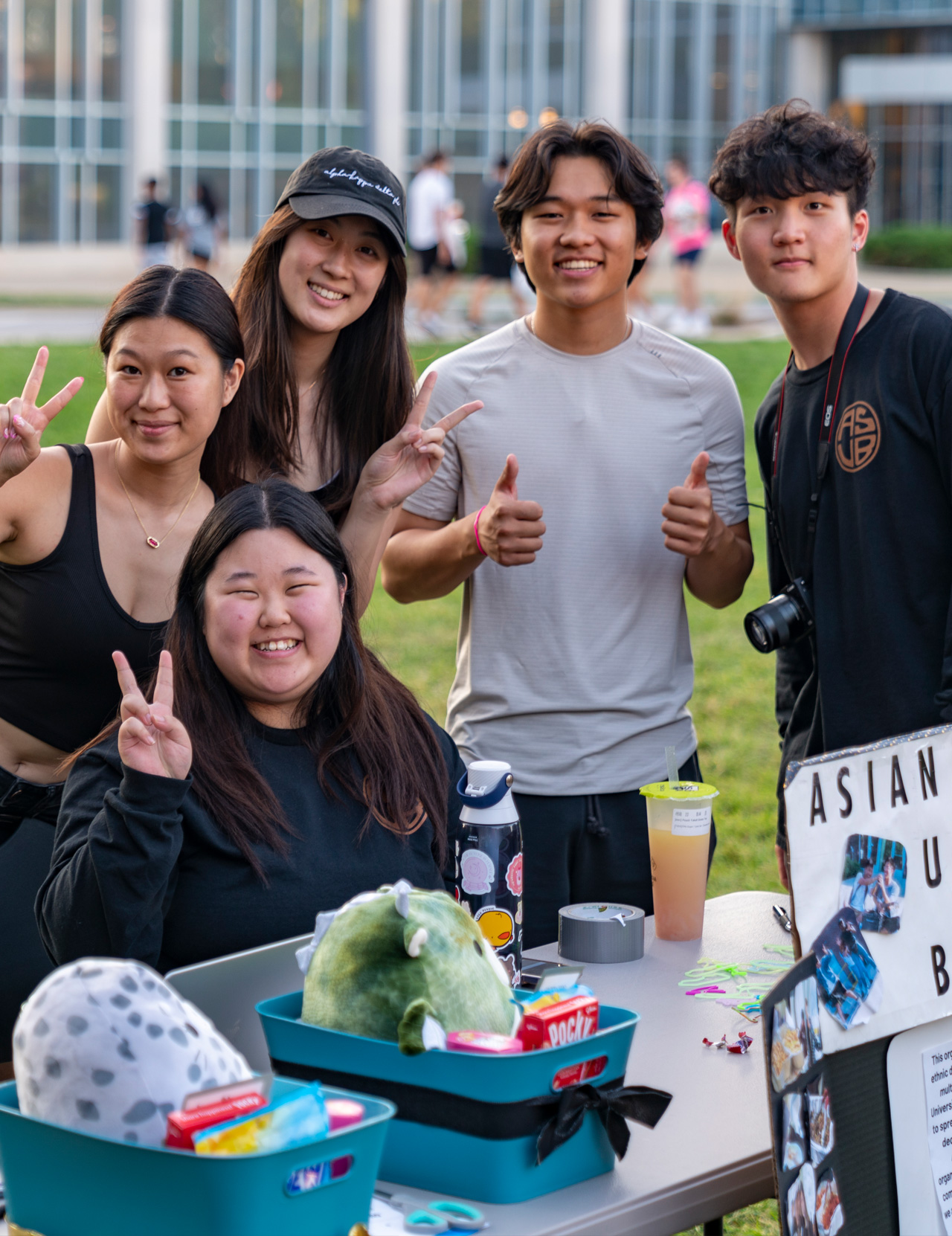
From Maslow to Kuh, student affairs practitioners have long recognized that building networks and fostering social engagement are foundational to improving student retention, GPA and overall college experience. These initiatives have traditionally complemented students’ own efforts to create community.
However, reflecting broader cultural shifts in the U.S. (see “The Vanishing Neighbor: The Transformation of American Community,” by Marc Dunkelman), students today are increasingly affected by a growing loneliness epidemic (see “Our Epidemic of Loneliness and Isolation,” U.S. Surgeon General’s report). Traditional in-person social learning experiences have been largely replaced by more asynchronous and passive forms of connection. As a result, activities that promote social isolation have increased, while opportunities for meaningful engagement have declined. These trends have contributed to a rise in reported feelings of loneliness and isolation among students during critical developmental years. In fact, research has found that approximately 50-60% of young adults experience loneliness.
As the final cohorts of Generation Z and the first Generation Alpha students arrive on campus, we must develop intentional strategies to help them build networks and foster social engagement. Research shows that students with a stronger sense of belonging report GPA scores up to 0.5 points higher than their peers with lower levels of belonging (Walton & Cohen, 2011; Hausmann et al., 2007). Purdue’s residential campus environment presents a tremendous opportunity to engage all students in intentional ways to support their well-being and academic success.
The Well-Being Initiative’s highlighted practice for this year is building networks and social engagement. It doesn’t need a ton of explanation to understand why. We see that our students’ levels of connection and avenues for connections are different and more fraught than generations before. It’s important for us to think about how we have and will support students beginning to grow their network while also supporting those with a network to develop supportive social engagements.
Sometimes, our students need data to show them what is important. Some key stats you can share:
- First-year students who participate in peer programs are 34% more likely to persist.
- Students with strong social connections are 2.6 times more likely to report good or excellent health (Surgeon General, 2023).
- Students who form strong peer ties in their first year are 40% more likely to persist into their second year (Tinto, 1993; NSSE, 2022).
- Students with a stronger sense of belonging report GPA scores up to 0.5 points higher than their peers with lower levels of belonging (Walton & Cohen, 2011; Hausmann et al., 2007)
If students need tangible support, you may refer them to resources such as:
- BoilerLink, a searchable database for students to find a club or organization that fits them.
- Peer-to-peer programs, like the Disability Resource Peer Mentor Program, Peer Success Coaching Coaching in the Academic Success Center and Horizons Peer Mentorship Program, are designed to provide a structured experience where students can connect and get support from their peers.
- The Purdue events calendar can help them find events that fit their interests.
Please remember that the world is very different than when many of us attended college. This generation has grown up with constant online access their world was shaped by the COVID-19 pandemic. We encourage you to learn about this generation of students and how they connect with their communities and then ask them what they need as they build their network and engage socially.